Logbook Servicing

Your vehicle's cooling system works overtime during Australian summer, circulating coolant through the engine block and radiator to dissipate heat and prevent overheating. When external temperatures climb above 35°C, the system must work harder to maintain optimal engine temperature, putting additional pressure on every component from the water pump to the thermostat.
High ambient temperatures reduce the efficiency of heat transfer from the engine to the air, meaning your cooling system operates at maximum capacity for extended periods. This sustained stress accelerates coolant degradation, weakens hose integrity, and can cause sealant breakdown in radiator tanks. For drivers in Traralgon, Morwell, Moe, and surrounding areas who make regular regional trips, understanding this stress is crucial to avoiding roadside breakdowns during peak summer months.
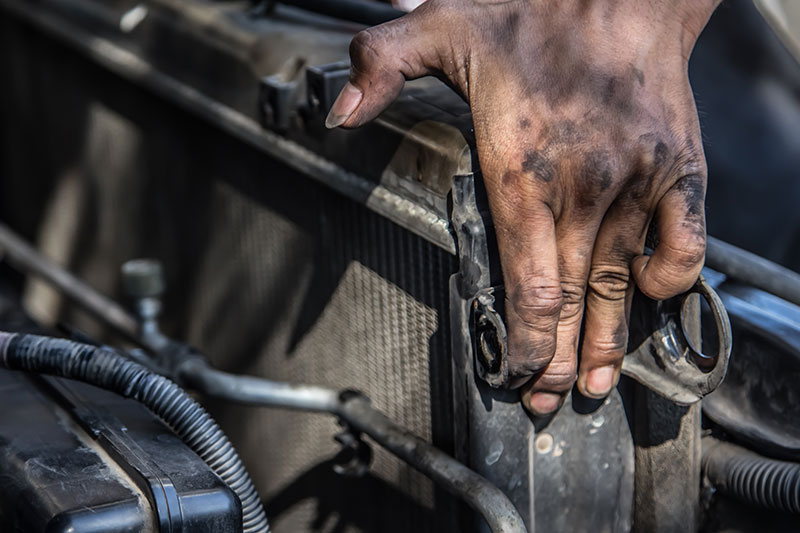
Before summer arrives or before undertaking long drives through Gippsland, inspect your coolant level with the engine cold, never open a hot radiator cap, as pressurised coolant can cause severe burns. Check that coolant colour is vibrant (typically green, pink, or blue depending on type) and not murky or rusty, which indicates contamination or corrosion inside the system. Most vehicles require a 50/50 mix of coolant and water, so top up if levels are low.
Examine all visible hoses from the radiator to the engine for cracks, bulges, soft spots, or leaks. Squeeze hoses gently when cold, they should feel firm but slightly flexible, not rock hard or mushy. Look for puddles under your car after it's been parked, particularly coloured fluid which suggests a coolant leak. If your coolant consumption has increased noticeably or you notice sweet-smelling liquid around the engine bay, book a cooling system inspection immediately before undertaking regional journeys.
The temperature gauge on your dashboard is your first line of defence during summer driving across Gippsland. If the needle moves into the red zone or you see a temperature warning light illuminate, pull over safely immediately, continuing to drive with an overheating engine can cause catastrophic internal damage costing thousands in repairs. Listen for unusual sounds like a high-pitched whine from the engine bay, which may indicate water pump failure or belt slippage.
Steam or vapour coming from under the bonnet, sweet-smelling coolant odours, or white mist inside the cabin can all signal cooling system trouble. Modern vehicles may also display warning messages on the instrument cluster. If you experience any of these signs during a drive to Churchill, Newborough, or other Gippsland destinations, switch off the air conditioning, turn the heater to maximum (which diverts heat away from the engine), and reduce speed while heading to the nearest safe location or service station.
TSE Auto recommends scheduling a cooling system inspection before summer if your vehicle is over five years old, if you've noticed any of the warning signs mentioned above, or if you plan extended regional drives through Gippsland. A professional technician can perform a pressure test to identify small leaks invisible to the naked eye, check thermostat operation, and assess radiator condition including internal blockages that reduce cooling efficiency.
Coolant typically requires replacement every 40,000 to 100,000 kilometres or every two to five years, depending on your vehicle type and coolant specification, check your service manual for exact intervals. During a cooling system service, technicians flush old, degraded coolant and replace it with fresh fluid that maintains optimal heat transfer properties. If you're based in Traralgon, Morwell, Moe, or surrounding areas and haven't had your cooling system serviced recently, particularly before undertaking long summer drives, contact TSE Auto to book an inspection and ensure your vehicle stays cool throughout the hottest months.
Created by CJ Digital