Logbook Servicing

Clutch slipping occurs when the friction between the clutch disc and flywheel deteriorates, causing the engine to rev without corresponding acceleration. You might notice the engine sounds louder than usual, but the vehicle doesn't speed up as expected, particularly when accelerating up hills or under heavy load.
For drivers regularly making longer trips around Traralgon, Morwell, and the surrounding Gippsland region, this symptom becomes more noticeable during highway driving or when towing. The longer you drive with a slipping clutch, the more heat builds up and accelerates wear on both the clutch and transmission components.
If you experience this symptom, have your clutch inspected as soon as possible. A professional mechanic can diagnose whether the issue is worn friction material, a faulty pressure plate, or contaminated fluid.
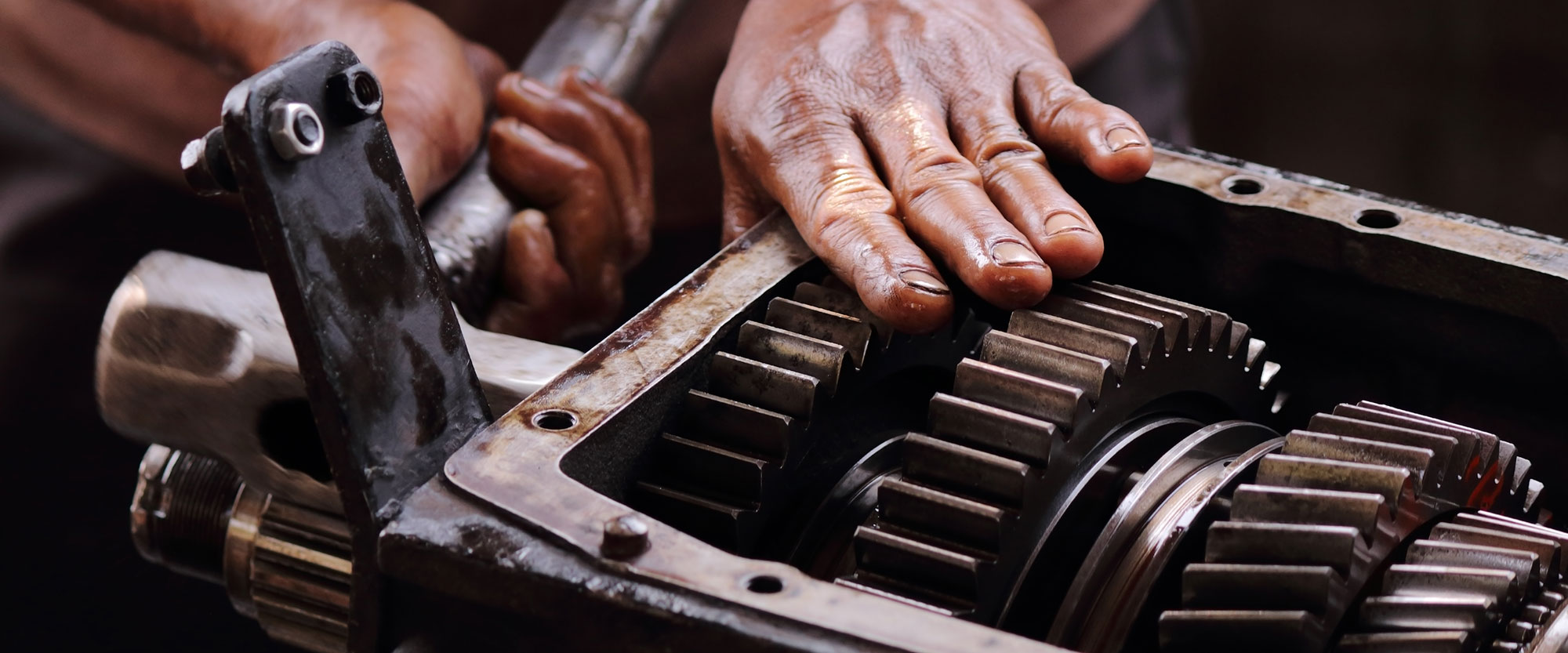
When shifting becomes stiff, requires extra force, or produces grinding noises, your clutch system is signalling distress. This could indicate worn clutch plates, a failing pressure plate, or hydraulic issues affecting clutch engagement and disengagement. The grinding sound often comes from the clutch disc not fully separating from the flywheel.
Regional drivers around Churchill, Newborough, and Moe frequently navigate both highway and local roads, which means varied driving patterns that can expose clutch problems more quickly. If you're straining to find gears or hearing metal-on-metal sounds during shifts, don't delay getting this checked.
Continuing to drive with difficulty shifting puts extra strain on the transmission synchronisers and gears, potentially turning a clutch replacement into a much more costly transmission repair. Address this warning sign promptly to protect your vehicle's drivetrain.
A distinctive burning or acrid smell from under your vehicle, particularly noticeable when climbing steep roads or driving in heavy traffic, is a classic clutch warning sign. This smell comes from the friction material overheating as the clutch slips or engages improperly. It's similar to the smell you might notice when riding a bike brake downhill.
For Gippsland drivers tackling longer rural routes or mountainous terrain around the region, excessive heat buildup can accelerate clutch degradation and damage the transmission fluid. If you smell burning, pull over safely, allow the vehicle to cool, and have it inspected before continuing driving.
Ignoring a burning smell puts you at risk of complete clutch failure while driving, which could leave you stranded on a remote Gippsland road. Early inspection and repair ensures you maintain reliable transport and avoid emergency breakdowns.
A clutch pedal that feels soft, spongy, or travels to the floor without resistance often indicates air in the hydraulic clutch line or a failing master cylinder. Similarly, if the pedal is abnormally stiff or requires excessive pressure to operate, hydraulic problems or a damaged pressure plate may be at fault. Both scenarios affect your ability to properly engage and disengage the clutch.
Other warning signs include a clutch that won't fully disengage (causing the vehicle to move slightly even in neutral), or one that engages abruptly at the biting point. These issues are particularly problematic for rural and regional drivers who need reliable clutch control on varying terrain and road conditions around Traralgon, Morwell, Churchill, and surrounding areas.
Regular clutch inspections as part of your logbook servicing help catch these issues early. A qualified mechanic can check clutch fluid levels, inspect hydraulic components, and assess wear on friction material before problems escalate into major transmission damage.
Created by CJ Digital